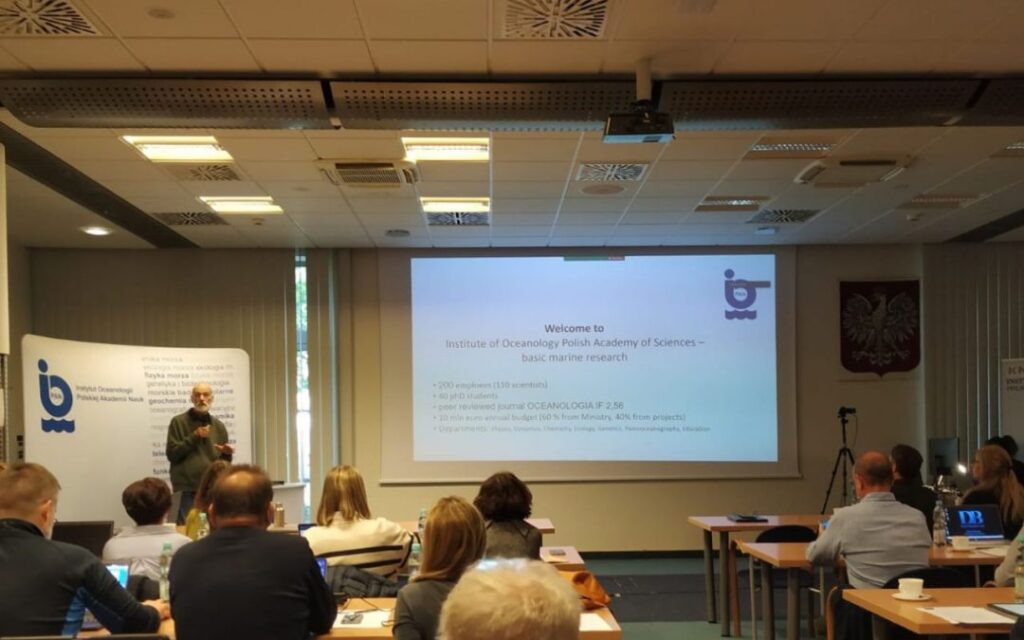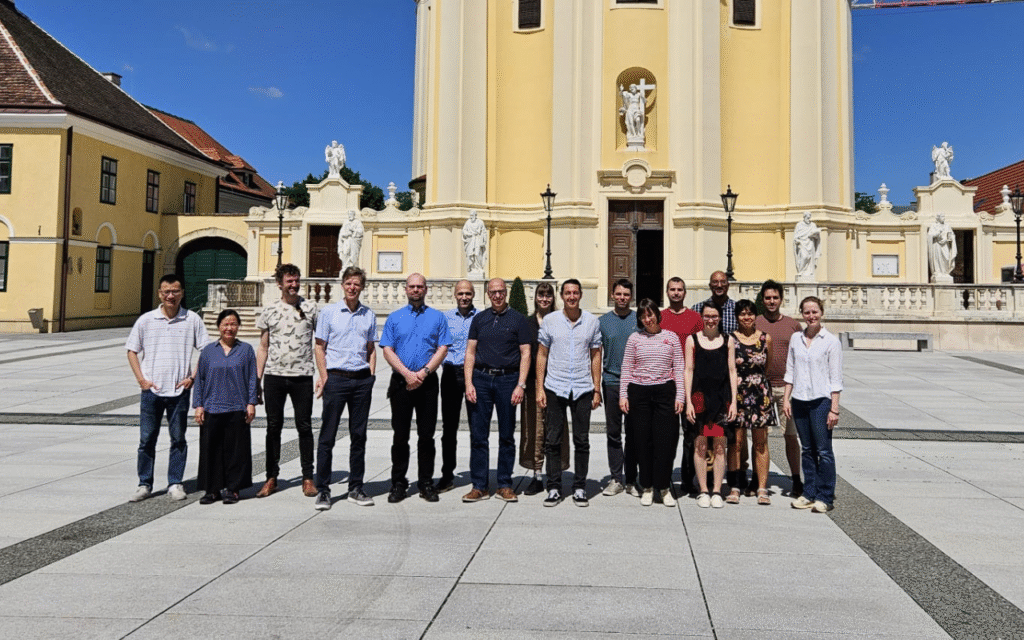

The ESA World Ecosystem Extent Dynamics (WEED) project has been presented at the StatEO conference on Earth Observation and statistics, which has brought together a cross-sectoral community of experts.
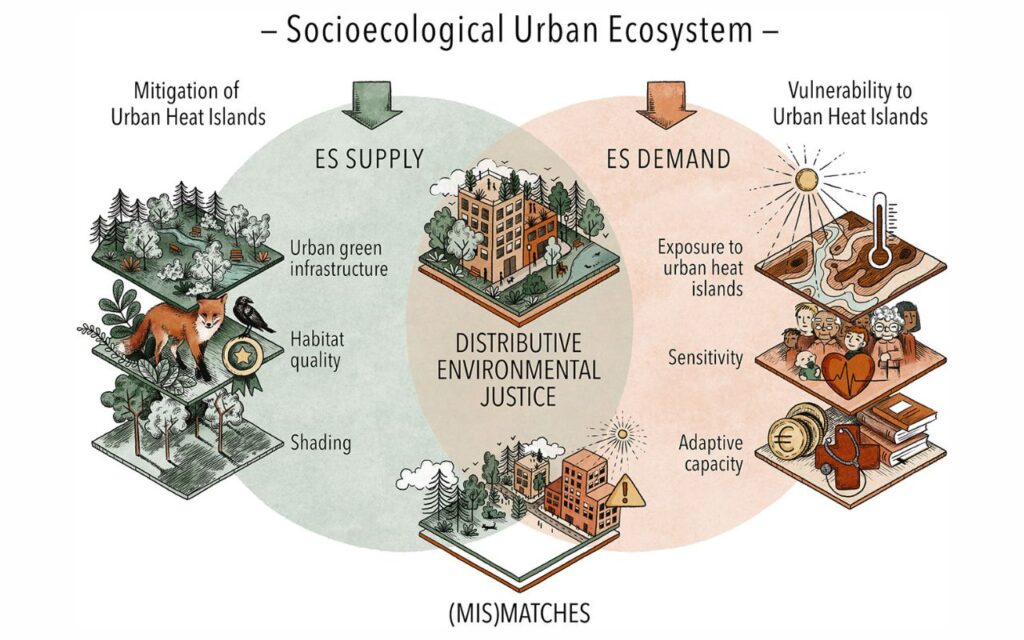
Natural Capital Accounting has been one of the four thematic sessions in the event, where presentations have revolved on how Earth Observation (EO) data is being used to support Natural Capital Accounting frameworks, such as the System of Environmental-Economic Accounting (SEEA). The session highlighted how EO data contributes to assessing changes in the stock, condition, and extent of natural capital, as well as the evaluation of ecosystem condition and the services ecosystems provide, with a special focus on the development of transparent and traceable methodologies, supported by comprehensive metadata.
In this context, WEED proposes a “semantics-first,” federated digital twin architecture, that is coordinated through a consortium that includes VITO, ARIES, IIASA and iDiv, and supported by European Space Agency (ESA). The WEED system uses semantic resolution: a user or internal process submits a logical query (e.g., “observe [concept] in [context]”), and an AI-assisted engine dynamically discovers, ranks, and connects the best available EO data and statistical models to synthesize the result.
This core innovation moves beyond traditional rigid, centralized data integrations or simple request-response systems; WEED establishes a reactive, distributed digital science environment via a Semantic Digital Twin (SDT) infrastructure while also incorporating FAIR interoperability principles.
The innovation is particularly significant for the EO and statistical communities as it transforms ecosystem accounting from a static reporting exercise into a continuously updated, auditable knowledge infrastructure.
Key innovations for the EO and statistical communities include:
Automated, Event-Driven Processing: The SDT automatically detects new data ingestion and instantly triggers downstream processes, including complex machine learning retraining workflows hosted in VITO’s OpenEO environment.
Live, Auditable Statistical Artifacts: Observations and generated maps are not static numbers but “live” artifacts within a knowledge graph. Every statistical output includes fully validated semantics and a machine-readable provenance graph detailing its exact computation.
Direct Support for Statistical Standards: By integrating machine-learned EO outputs with semantic modeling WEED can dynamically generate natural capital accounting metrics that are natively compliant with UN-SEEA statistical frameworks.
The initiative aims to provide countries with the capacity to generate consistent maps of terrestrial, freshwater and coastal ecosystems using semantic AI workflows and EO data, reshaping ecosystem accounting and biodiversity reporting.
By integrating complex EO data and statistical validation workflows into a transparent semantic infrastructure, the project addresses the fragmentation and opacity that often characterize large-scale environmental modelling systems.
More information about the project is available through the official WEED portal: WEED Project Website.