How can cities adapt to increasing heatwaves while ensuring that the most vulnerable populations are not left behind?
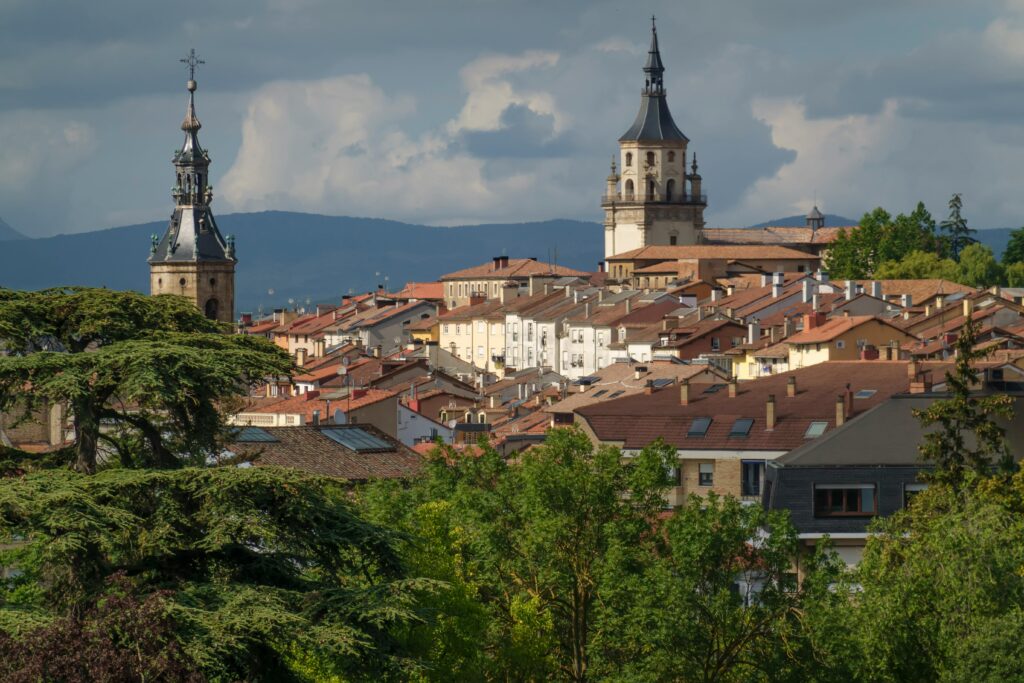
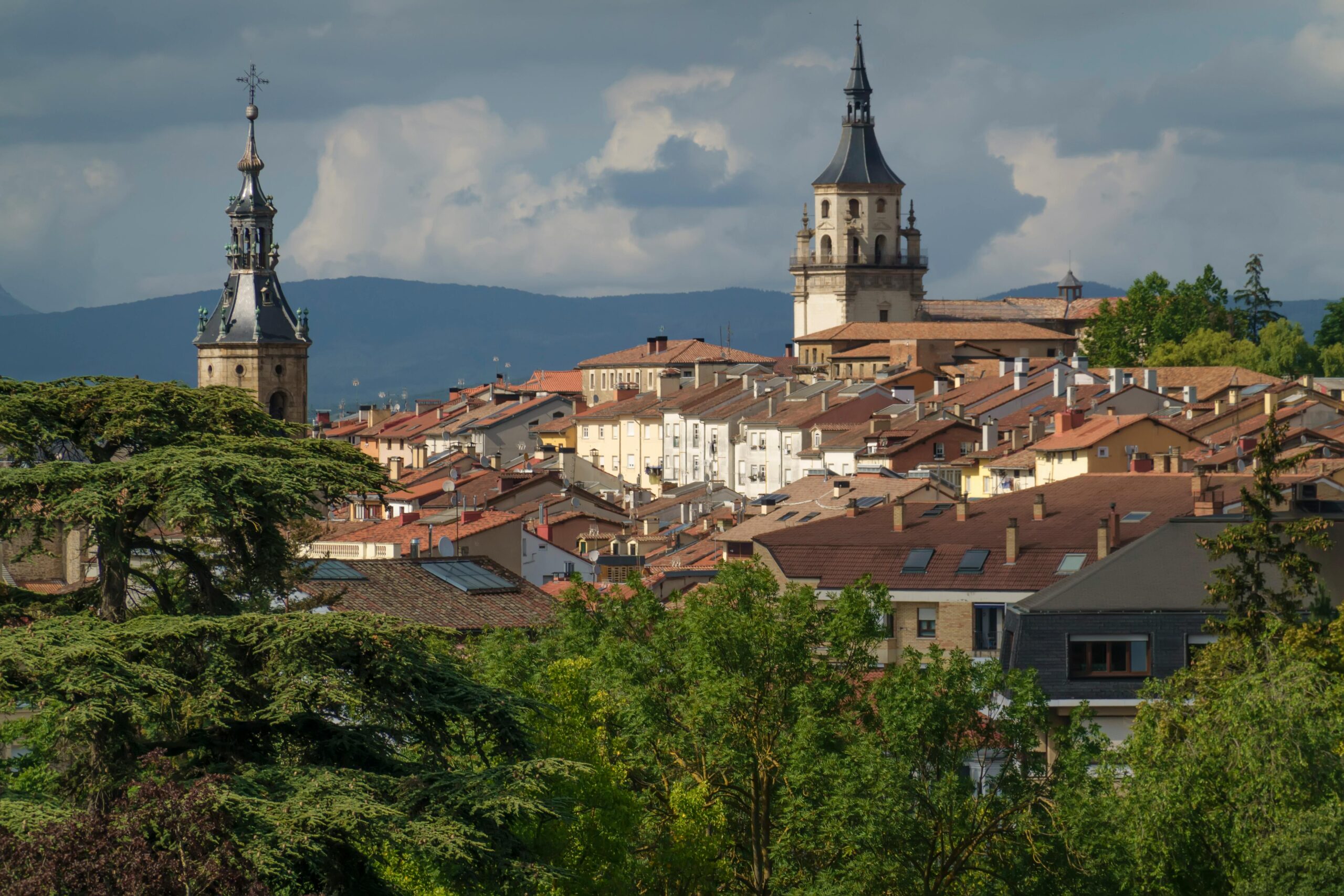
This is the question guiding a new collaboration with the City Council of Vitoria-Gasteiz. The project focuses on three neighbourhoods (Lakua, Zabalgana and Salburua) and aims to identify effective and equitable strategies to reduce heat exposure through urban greening.
Urban heat is not distributed evenly across a city, nor does it affect all residents in the same way. Factors such as age, health, socio-economic conditions, access to green spaces, and daily mobility patterns can significantly influence people’s exposure and vulnerability to extreme heat. Understanding these differences is essential for designing adaptation measures that are both effective and socially just.
The work is led by researcher Sudeshna Kumar, whose research focuses on sustainability, climate risk, and urban resilience. Alongside Megan Critchley, she is developing and applying modelling tools to support climate adaptation and mitigation planning. The project is also increasingly international in scope. Kumar has been actively developing an international research network, collaborating with researchers such as Professor Darrel Jenerette, an urban ecologist at UC Riverside in California, and Celina Aznarez, a postdoctoral researcher at Aarhus University. Through these collaborations, the project is expanding beyond a local case study toward a broader international research effort on climate-resilient and socially just urban adaptation.
To address this challenge, the researchers are combining high-resolution environmental and climate data with social and demographic information. The analysis includes indicators such as land surface temperature, vegetation cover, shade availability, and patterns of urban movement, helping to build a detailed picture of how heat risks are experienced across the city as people move.
“However, scientific evidence alone is not enough. Effective climate adaptation requires the participation of those who know the city best: local stakeholders, technical staff, community organisations, and residents themselves.” — explains Kumar.
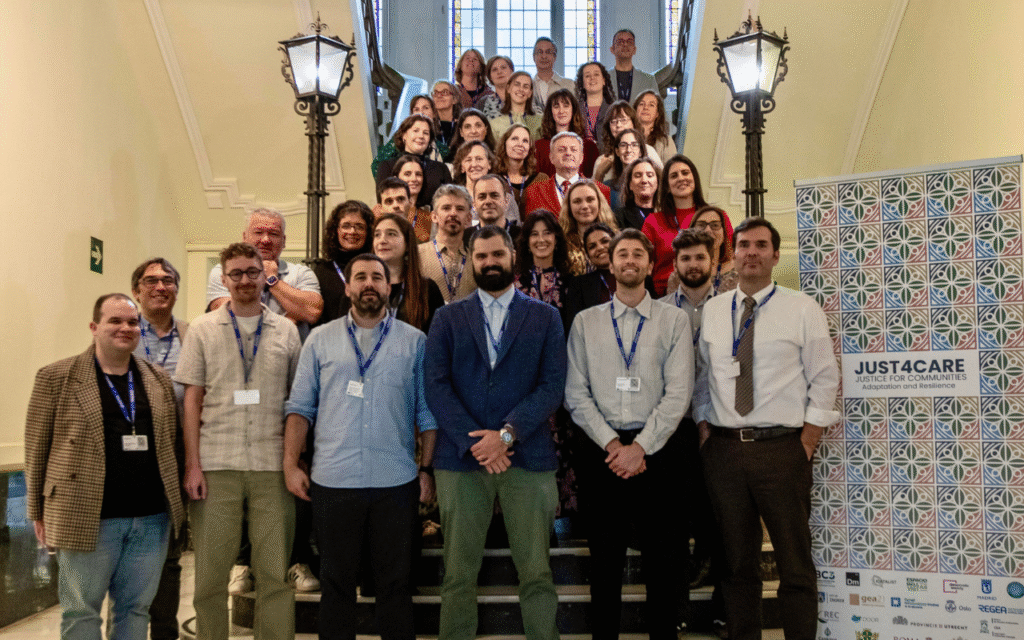
As part of the project, in a recently organised workshop with technical staff from the City Council of Vitoria-Gasteiz and other local stakeholders, participants worked together around maps, discussing neighbourhood characteristics, mobility patterns, public spaces, existing green infrastructure, and local priorities for adaptation.
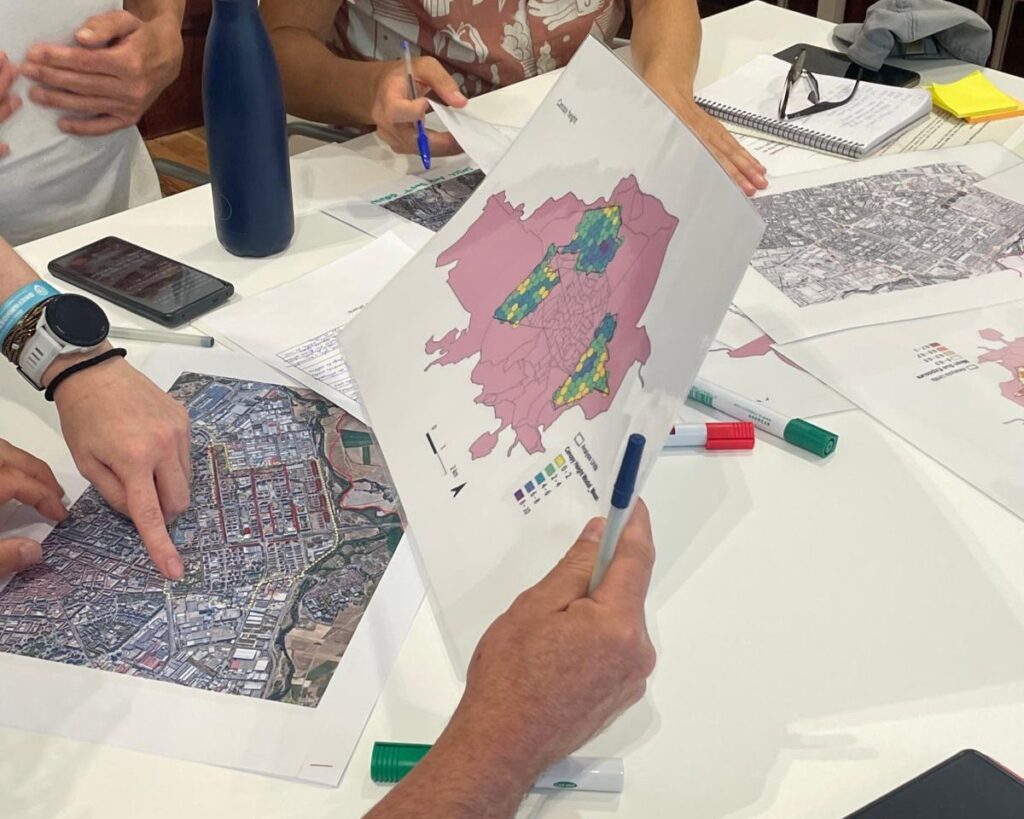
The workshop also benefited from the participation of Professor Darrel Jenerette from the University of California, Riverside (USA), an internationally recognised expert in urban landscape ecology and urban heat mitigation. During his visit to Vitoria-Gasteiz, he contributed his expertise in urban vegetation and cooling strategies and provided an international perspective on the challenges faced by cities adapting to climate change.
The project aims to develop a framework that can support more equitable decision-making, by combining scientific knowledge with local expertise and lived experience, and guide future investments in urban cooling strategies.
Over the coming months, the project will continue to refine its analyses and engage with stakeholders to identify priority actions for each neighbourhood. The ultimate goal is to support Vitoria-Gasteiz in developing adaptation pathways that enhance urban resilience, improve quality of life, and help create cooler, healthier, and more inclusive neighbourhoods in a warming climate.