Science, cooperation and good policies. All three are needed to make Europe more resilient to climate change, and to be able to do so they have to be connected.
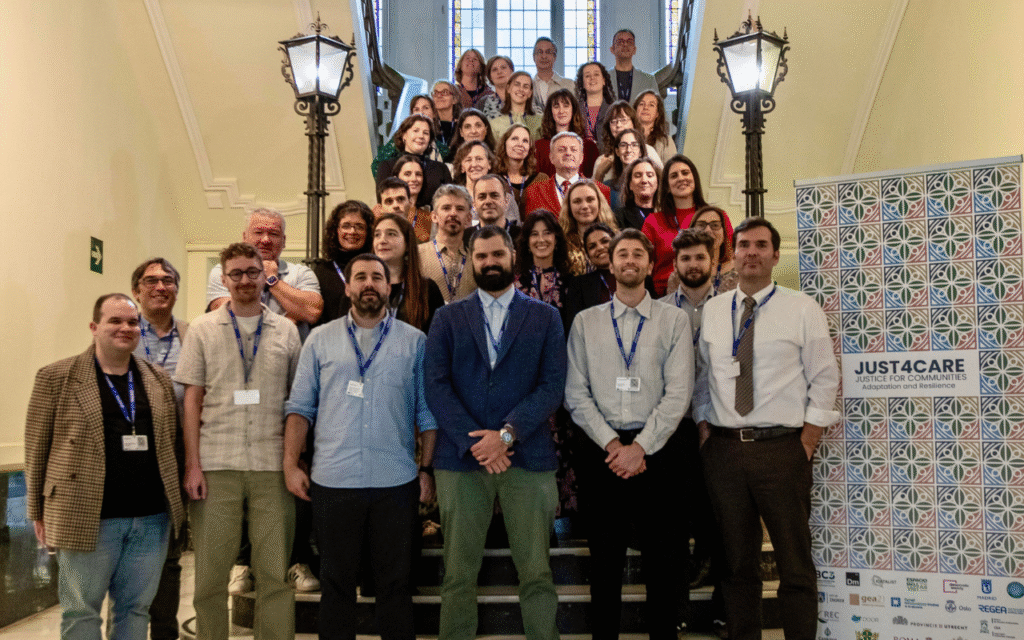
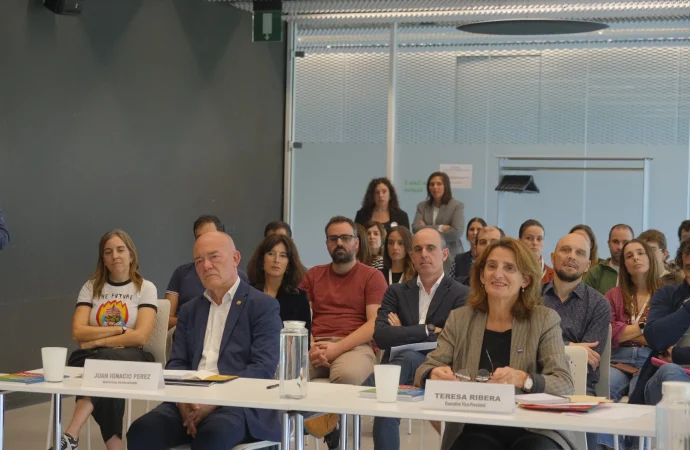
On the 9th of October, the Basque Centre for Climate Change (BC3) welcomed Teresa Ribera, First Vice-President of the European Commission, and Juan Ignacio Pérez Iglesias, Basque Government Minister for Science, Universities and Innovation.
The visit aimed for sharing the contributions BC3 has made regarding the European Climate Resilience Framework, and the requirements for effective adaptation to climate change: the identification, assessment, and distribution of risks to build shared resilience; the financing mechanisms and policies; the importance of dialogue and participation; and the consideration of adaptation and mitigation as a unified investment case.
A central message from Teresa Ribera was that prevention must be treated as an investment, not a cost, and reliable evidence is needed to know where risks are greatest, how they affect people and ecosystems, and prioritize adequate interventions.
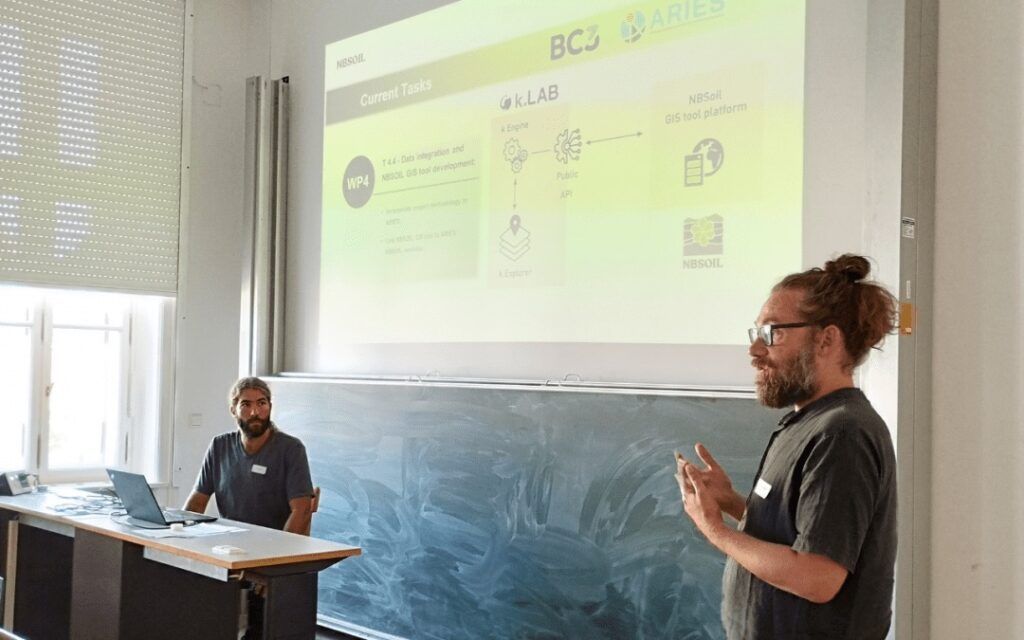
However, due to the complex nature of climate change, one of the main challenges is the requirement of solid tools for bringing together knowledge that might otherwise remain scattered across datasets, disciplines and institutions. ARIES was presented in the meeting as a data approach grounded in interoperability and accessibility that uses semantics and artificial intelligence for integrating data and models in a transparent way.
By integrating different sources of data and models, ARIES can help contextualise broader environmental evidence within local socio-ecological systems within a transparent knowledge framework.
Ultimately, climate resilience depends not only on the knowledge, but also on is connected and put it into practice. ARIES will continue contributing to this effort by making data, models and knowledge more accessible and interoperable, helping bridge the gap between scientific understanding and informed action. The discussions at BC3 reinforced a shared message: building resilience is a collective effort, and connecting knowledge is an essential part of it.