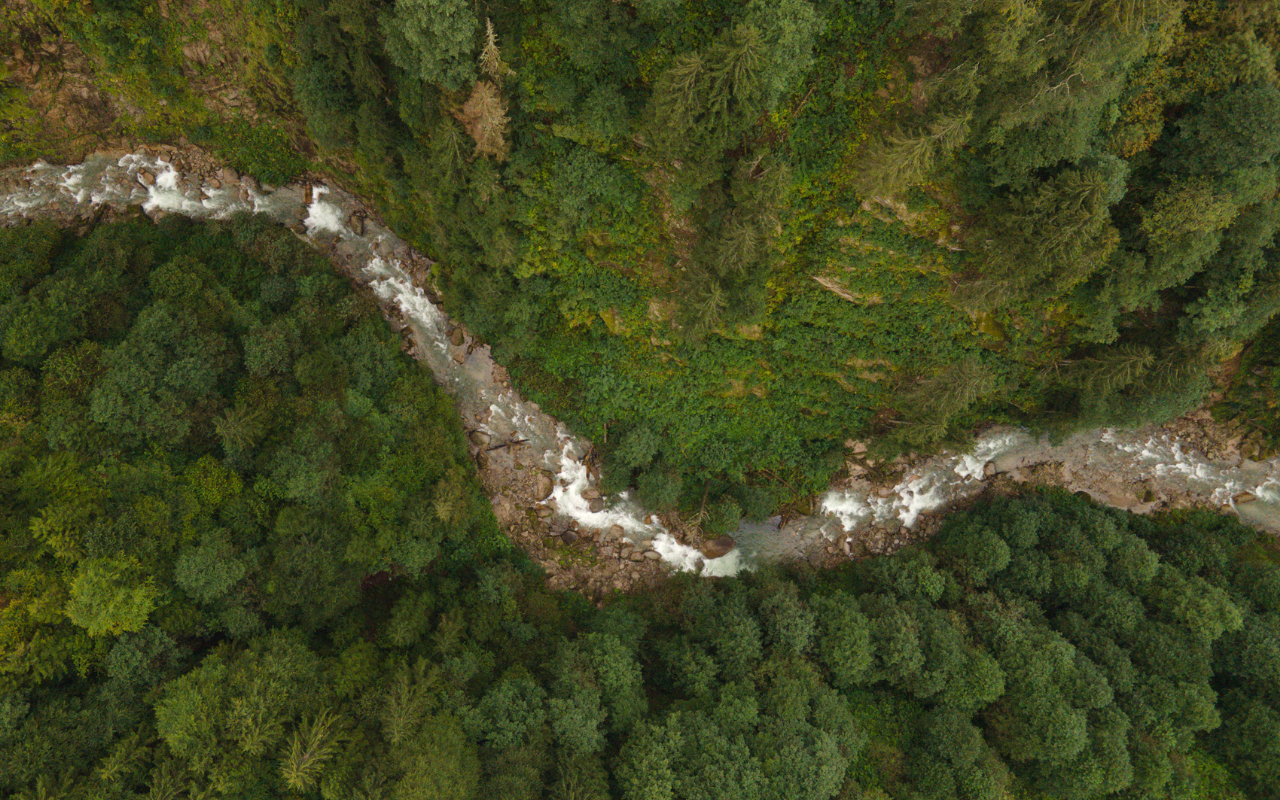
When a new road needs to be built, some questions may arise: Should it cut through a forest or go around it? Building the shortest route may reduce construction costs, but what about the flood protection, carbon storage, wildlife habitat and other negative effects that the construction may have on the environment?
Every day, decisions that affect the natural world are made, and similar questions arise when deciding where a city should expand or how public funding should support different farming practices. In most of these decisions, financial costs are carefully measured. Construction expenses, maintenance costs and employment figures are all included in the analysis, but the benefits provided by nature are often not quantified, end up being overlooked or even ignored.
Forests regulate water, wetlands improve water quality, soils sustain agriculture, pollinators support food production, and healthy ecosystems reduce climate and disaster risks. These contributions are essential to our economies and our wellbeing, yet they rarely appear in traditional economic accounts
Making Nature Count
Just as financial accounts help organisations understand their assets, income and expenditure, Natural Capital Accounting (NCA) is a framework for measuring and recording natural assets, their condition, how they change over time, and the many benefits they provide to people and the economy. These benefits are known as ecosystem services and include clean water, climate regulation, flood protection, carbon storage, pollination, food production and recreation. This way, Natural Capital Accounting is a framework for measuring and recording nature’s contributions to society and the economy.
NCA does not replace ecological knowledge with economics. Instead, it provides a common evidence base that allows nature to be considered alongside financial and social information when important decisions are made.
How Is It Different from Traditional Accounting?
Traditional accounting focuses on assets that are bought, sold or owned by organisations. It records financial transactions and measures economic performance. Natural Capital Accounting expands this perspective by recognising that ecosystems are also assets. It helps reveal these hidden contributions, allowing decision-makers to compare alternatives using a more complete picture of costs, benefits and long-term consequences.
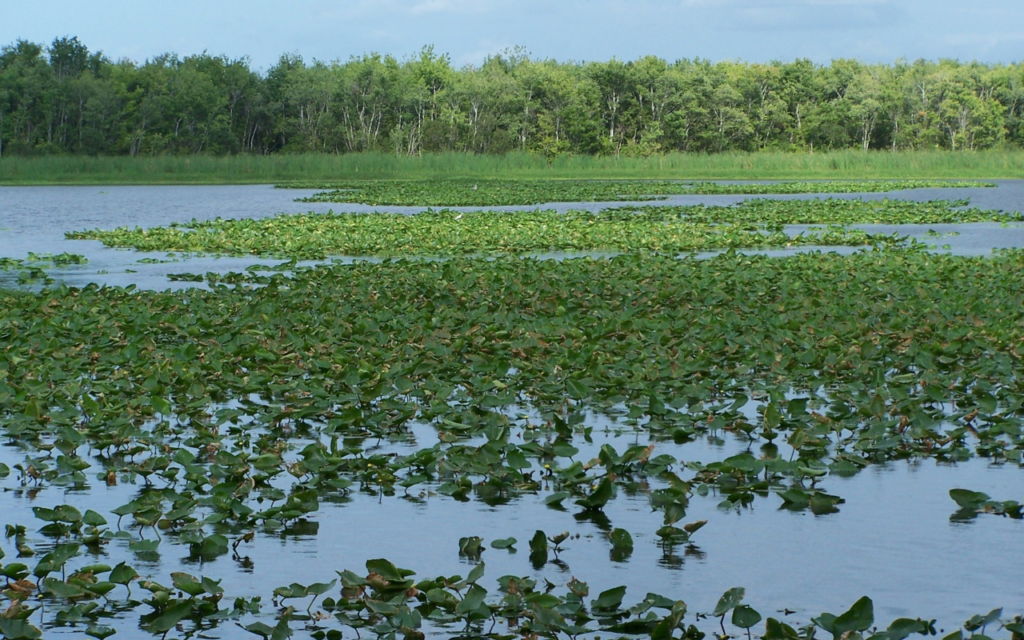
For example, a company may record the cost of building a reservoir but not the value of an upstream forest that naturally filters the water flowing into it. Or a city may budget for flood defences without recognising the flood protection already provided by surrounding wetlands or its fauna, as it was the known case where a family of beavers built a series of dams that restored wetlands naturally, providing the same flood-management function that an engineered dam was intended to deliver. The intervention reportedly saved around €1.2 million in construction cost.
So can you put a value on nature?
Nature is extraordinarily complex. A single forest stores carbon, regulates water, provides habitat for wildlife, supports local livelihoods, offers recreational opportunities and holds cultural significance for nearby communities. And forests are just one of the many ecosystems that support our society.
Like any model, Natural Capital Accounts are an approximation of reality. They simplify complex ecological systems so that they can be understood alongside economic information. Decision-makers routinely compare simplified representations of reality, from economic forecasts to climate scenarios, to support difficult choices. Natural Capital Accounting applies the same principle to nature, ensuring that environmental information is no longer absent from those decisions.
Sometimes this involves monetary valuation, but more often, it combines ecosystem extent and condition, spatial information, and measures of ecosystem services. Monetary values are simply one way of expressing information, but not the aim itself.
ARIES for SEEA
Natural Capital Accounting is guided by the System of Environmental-Economic Accounting (SEEA), the United Nations’ international standard for integrating environmental and economic information.
ARIES (Artificial Intelligence for Environment & Sustainability) helps put this framework into practice with the ARIES for SEEA solution, which connects scientific models, environmental data and socioeconomic information into transparent, scientifically robust assessments. This enables governments, businesses and researchers to develop Natural Capital Accounts that support better planning and decision-making.